Jobs in Netherlands with Visa Sponsorship for Foreigners (2026)
The Netherlands has become one of Europe’s most attractive destinations for foreigners seeking stable employment, competitive salaries, and legal residence abroad. With a strong economy, global companies, and a highly international workforce, the country actively welcomes immigrants who can fill labor shortages across multiple industries. From technology and engineering to agriculture, logistics, and healthcare, jobs in the Netherlands with visa sponsorship continue to grow each year, offering foreigners a clear and lawful pathway to work and live oversea.As a consular editorial specialist, it is important to highlight that the Dutch government maintains a transparent and employer-driven immigration system. Many companies in the Netherlands are officially recognized as licensed sponsors, meaning they are authorized to hire immigrants directly from abroad and support their work visa applications. This system protects both the employer and the foreigner, ensuring fair employment terms, legal residency, and compliance with labor laws. For immigrants, this reduces uncertainty and increases the chances of long-term settlement.
For foreigners exploring job opportunities abroad, the Netherlands stands out for its high standard of living, excellent work-life balance, and inclusive society. English is widely spoken in the workplace, making it easier for immigrants to integrate, especially in international companies. Whether you are a skilled professional or searching for entry-level employment, understanding how visa sponsorship works in the Netherlands is a crucial step toward building a successful oversea career.
Entry Level Jobs for Immigrants
The Netherlands offers a wide range of entry-level jobs that are accessible to immigrants, including those who may not yet have extensive European work experience. These roles are especially common in sectors where demand consistently exceeds local supply. Logistics, agriculture, food processing, cleaning services, hospitality, and warehouse operations are among the most popular entry points for foreigners seeking employment abroad. Many of these jobs are offered by companies that already have experience hiring and sponsoring immigrants.
One of the most accessible entry-level job sectors for immigrants is logistics and warehousing. The Netherlands is a major transportation hub in Europe, home to large ports, airports, and distribution centers. As a result, there is constant demand for warehouse workers, order pickers, packers, forklift operators, and loading staff. These jobs often require minimal formal education, basic English communication skills, and physical fitness. For foreigners, logistics roles provide a fast and practical route into the Dutch labor market.
Agriculture and food production also offer significant opportunities for immigrants without advanced qualifications. Jobs such as greenhouse workers, fruit and vegetable pickers, farm assistants, and food packaging staff are commonly available throughout the year. Many agricultural employers recruit foreigners from abroad and are familiar with the visa process. These roles are especially suitable for immigrants looking for seasonal or contract-based work that can later lead to longer-term employment.
Additionally, cleaning, hospitality, and basic manufacturing jobs remain popular among immigrants entering the Netherlands workforce. Positions such as hotel cleaners, kitchen assistants, factory helpers, and production line workers are regularly advertised by Dutch employers. While these roles may be entry-level, they are protected by Dutch labor laws, ensuring fair wages, regulated working hours, and safe conditions. For many immigrants, starting with an entry-level job is a strategic step toward gaining local experience, improving language skills, and qualifying for better-paying roles over time.
Visa Requirements for Employment
Foreigners who wish to work legally in the Netherlands must obtain the appropriate work visa or residence permit, depending on their nationality and job type. In most cases, visa sponsorship is employer-driven, meaning the Dutch employer initiates the process. One of the most common pathways is the Highly Skilled Migrant (HSM) program, which allows recognized employers to sponsor skilled immigrants for long-term employment. This permit can lead to extended residence and permanent settlement.
For entry-level and mid-skilled jobs, employers may sponsor immigrants under other work permit categories, such as the Single Permit (GVVA), which combines residence and work authorization into one application. Under this system, the employer applies on behalf of the foreigner, demonstrating that the job meets labor market conditions and salary standards. Immigrants must meet health, character, and identity requirements to qualify.
EU and EEA citizens generally do not need a work visa to be employed in the Netherlands, but non-EU foreigners must always have valid authorization before starting work. Visa-sponsored jobs usually require a signed employment contract, proof of salary compliance, and employer registration with Dutch immigration authorities. Many sponsored permits are initially issued for one to five years and can be renewed if employment continues.
It is essential for immigrants to rely only on legitimate employers and official procedures. Claims of “guaranteed jobs” or informal visa arrangements should be avoided. The Dutch immigration system is well-regulated, and compliance is critical for maintaining lawful status and future opportunities abroad.
Salary Scale for Immigrants
The Netherlands enforces strict minimum wage laws and collective labor agreements, ensuring that immigrants and local workers receive fair compensation. Below is an estimated salary scale for common jobs available to foreigners in the Netherlands:
| Job Role | Average Monthly Salary (EUR) |
|---|---|
| Warehouse Worker | €2,000 – €2,400 |
| Agricultural Worker | €1,900 – €2,300 |
| Cleaner / Housekeeping Staff | €1,850 – €2,200 |
| Factory Production Worker | €2,100 – €2,600 |
| Hospitality Assistant | €1,900 – €2,300 |
| Delivery Driver | €2,200 – €2,700 |
| Entry-Level IT Support | €2,800 – €3,500 |
| Skilled Technician | €3,000 – €4,000 |
Salaries may vary based on location, experience, working hours, and collective agreements. Employers sponsoring visas must meet specific salary thresholds, especially for skilled migrant roles.
Application Requirements and Documents
Applying for a job in the Netherlands with visa sponsorship requires careful preparation and accurate documentation. From a consular perspective, the first essential requirement is a professional CV written in a clear and concise format. Dutch employers value straightforward resumes that highlight relevant experience, skills, and availability. A tailored cover letter explaining your interest in working abroad and in the specific role is also highly recommended.
Key documents typically include a valid international passport, educational certificates, and proof of previous work experience such as reference letters or employment contracts. For skilled roles, professional certifications or licenses may be required. Entry-level jobs often have fewer formal requirements but still demand evidence of reliability and physical capability.
For visa processing, immigrants must submit medical insurance coverage, police clearance certificates, and, in some cases, proof of accommodation in the Netherlands. Employers sponsoring foreigners will guide applicants through additional steps, including biometric registration and residence permit collection. All documents must be genuine, current, and translated into English or Dutch where necessary.
Employment Websites to Find Opportunities
Foreigners searching for jobs in the Netherlands with visa sponsorship should focus on official and reputable employment platforms. These websites are commonly used by Dutch employers and offer transparent job listings suitable for immigrants.
Indeed Netherlands and Glassdoor Netherlands are widely used for both entry-level and skilled jobs, allowing applicants to filter roles that mention visa sponsorship or international hiring. LinkedIn Jobs is particularly effective for professional and corporate positions, as many Dutch companies actively recruit foreigners through the platform.
The Dutch government-supported portal Werk.nl also lists verified job opportunities and provides guidance for job seekers, including immigrants. In addition, many large logistics, agricultural, and manufacturing companies publish vacancies directly on their official websites. Applying through these channels increases your chances of securing a legitimate job and employer sponsorship.
Top Regions in the Netherlands Hiring Foreigners
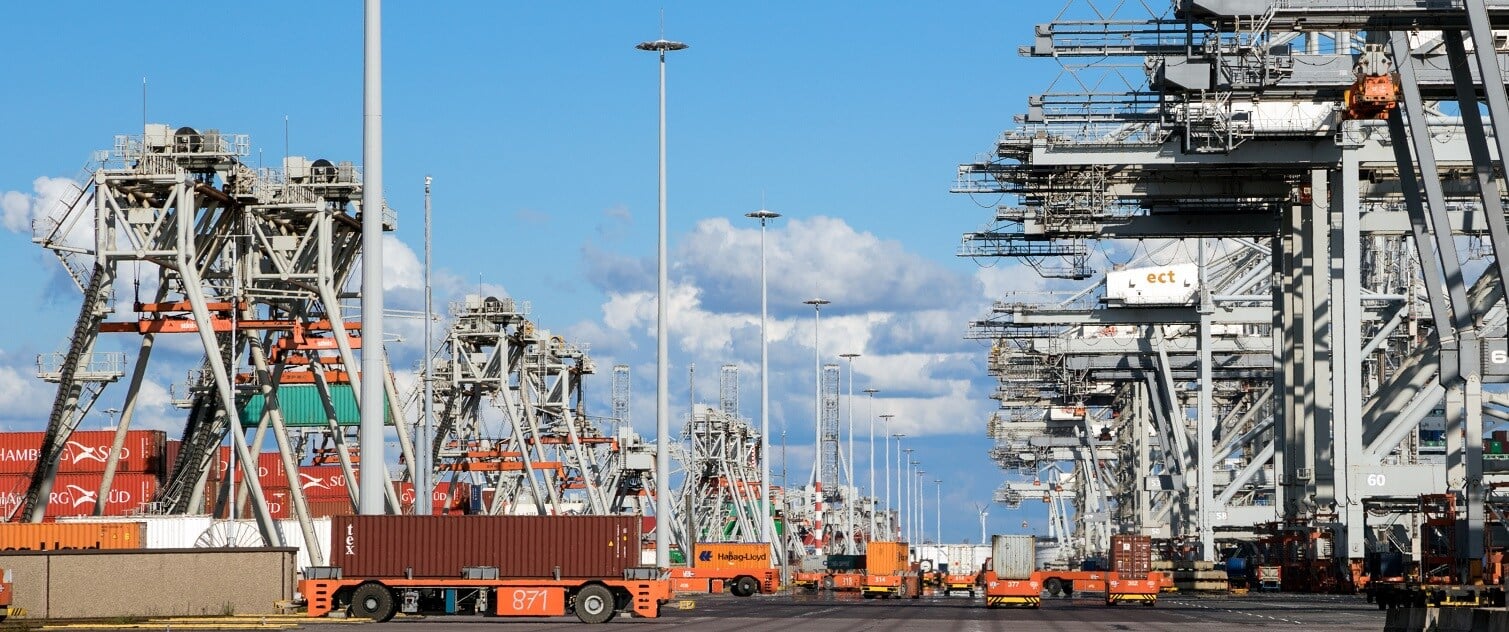
Different regions in the Netherlands offer varying job opportunities for immigrants, depending on local industries and labor demand. Understanding where jobs are concentrated can significantly improve your chances of securing visa-sponsored employment abroad.
Amsterdam is a major hub for international companies, startups, hospitality, and professional services. Many foreigners find employment in customer support, IT, finance, tourism, and logistics roles. English-speaking jobs are common here, making the city especially attractive to immigrants new to the Netherlands.
Rotterdam, home to Europe’s largest port, offers extensive opportunities in logistics, warehousing, shipping, and industrial operations. Foreigners are frequently hired as warehouse workers, forklift operators, logistics assistants, and port support staff. Employers in this region are well-experienced in sponsoring work visas for immigrants.
Eindhoven is known as the technology and innovation center of the Netherlands. While it attracts skilled professionals, it also provides entry-level roles in manufacturing, electronics assembly, and technical support. Immigrants with basic technical skills often find stable employment here.
Other regions such as Utrecht, Venlo, Tilburg, and Groningen also actively hire foreigners, particularly in agriculture, food processing, healthcare support, and distribution centers. Regional employers are often more open to visa sponsorship due to labor shortages.
Companies Known for Hiring Immigrants with Visa Sponsorship
Several Dutch companies and employment agencies regularly recruit foreigners and assist with legal work authorization. These employers operate within government regulations and are recognized for hiring immigrants ethically and transparently.
Large logistics and warehouse companies such as DHL Netherlands, GXO Logistics, and CEVA Logistics frequently hire foreign workers for distribution roles. These companies often collaborate with recruitment agencies that specialize in immigrant employment.
In the agriculture and food sector, greenhouse operators, meat processing plants, and food packaging companies consistently employ immigrants from abroad. These employers usually provide contracts, accommodation assistance, and guidance through the visa process.
International corporations and tech firms also hire skilled immigrants under the Highly Skilled Migrant program. While competition is higher, these roles offer long-term career growth and strong salary structures.
Foreigners are advised to apply directly through official company websites or verified recruitment agencies registered in the Netherlands to avoid scams.
Common Challenges Immigrants Face and How to Overcome Them
While jobs in the Netherlands with visa sponsorship are achievable, immigrants may face certain challenges during the process. One common issue is competition, especially for roles that require minimal qualifications. To overcome this, applicants should apply early, tailor their CV to Dutch standards, and remain flexible regarding location and job type.
Another challenge is language adaptation. Although English is widely spoken, learning basic Dutch can significantly improve job prospects, workplace integration, and long-term residence opportunities. Many municipalities offer free or subsidized language courses for immigrants.
Housing can also be a concern for foreigners arriving from abroad. Some employers assist with accommodation initially, while others provide guidance on renting. Immigrants should plan ahead and budget carefully during the first few months.
By staying informed, realistic, and compliant with immigration rules, most challenges can be managed successfully.
Frequently Asked Questions (FAQs)
Can foreigners get jobs in the Netherlands without Dutch language skills?
Yes. Many jobs, especially in logistics, agriculture, warehouses, and international companies, require only basic English. However, learning Dutch improves long-term opportunities.
Are there truly free visa jobs in the Netherlands?
“Free visa jobs” usually mean employer-sponsored visas where the employer handles most of the visa process and costs. Immigrants should always confirm this directly with the employer.
How long does a Netherlands work visa last?
Depending on the visa type, permits can last from one year up to five years and are often renewable if employment continues.
Can a work visa lead to permanent residence?
Yes. After legally living and working in the Netherlands for a required number of years, immigrants may apply for permanent residence or citizenship, subject to eligibility.
Final Advisory for Foreigners Seeking Jobs in the Netherlands
For foreigners aiming to work abroad, the Netherlands offers a structured, fair, and opportunity-rich environment. Visa sponsorship jobs are available across both entry-level and skilled sectors, provided applicants follow official procedures and work with legitimate employers.
Immigrants who prepare properly, remain flexible, and commit to integration often find the Netherlands to be one of the most welcoming European countries for long-term employment. With the right approach, a job in the Netherlands can be more than just work abroad—it can be the foundation for a stable and rewarding future.
Conclusion
The Netherlands continues to offer strong employment opportunities for foreigners seeking lawful work abroad through visa sponsorship. With its structured immigration system, high labor standards, and demand for both entry-level and skilled workers, the country provides a reliable pathway for immigrants to build sustainable careers oversea. Jobs in the Netherlands with visa sponsorship are not limited to highly skilled professionals; many sectors actively welcome immigrants willing to work and grow within the Dutch economy.
By understanding visa requirements, preparing proper documentation, and applying through trusted employment platforms, foreigners can significantly improve their chances of success. The key is to follow official processes and work with recognized employers who value compliance and fair employment practices.
For immigrants looking to work abroad in Europe, the Netherlands remains a practical and rewarding choice. With the right approach, a sponsored job can be the first step toward long-term residence, professional growth, and a stable future in one of Europe’s most dynamic countries.